At a burger restaurant, drinks and desserts can arrive as automatic add-ons. Yet they shape appetite from the beginning. A thick shake is beverage, dessert and substantial food at once. A refillable sweet drink adds steadily across the meal. A shared sundae changes the pace by giving the table a final event. Planning those roles early produces a more satisfying finish.
Start with water, then decide the experience
Water is the neutral baseline. It resets salt, heat and sweetness without adding another competing flavor. Ordering water first does not prevent anyone from choosing another drink; it simply prevents thirst from deciding the paid beverage before the meal is understood.
Then ask what the drink should do. A carbonated drink can cut through richness and bring sweetness. Unsweetened tea offers flavor with a different profile. A shake adds cold creaminess and may be the defining treat. Current options, sizes, refills, ingredients and nutrition vary, so use the restaurant’s menu and official resources for specifics.
Treat a shake as a course
A shake is easy to consume while waiting, which means it can alter appetite before the entrée arrives. If the shake is the main attraction, build the rest of the meal around it: consider a simpler burger, a lighter side or sharing the shake. If dessert is planned, a water or less substantial beverage preserves room for that later course.
Timing matters. A shake delivered too early may melt before the diner is ready; delivered with hot food, it can provide a useful temperature contrast. For takeout, confirm that cold and hot items are separated as much as the packaging allows and serve promptly after arrival.
Choose dessert by contrast
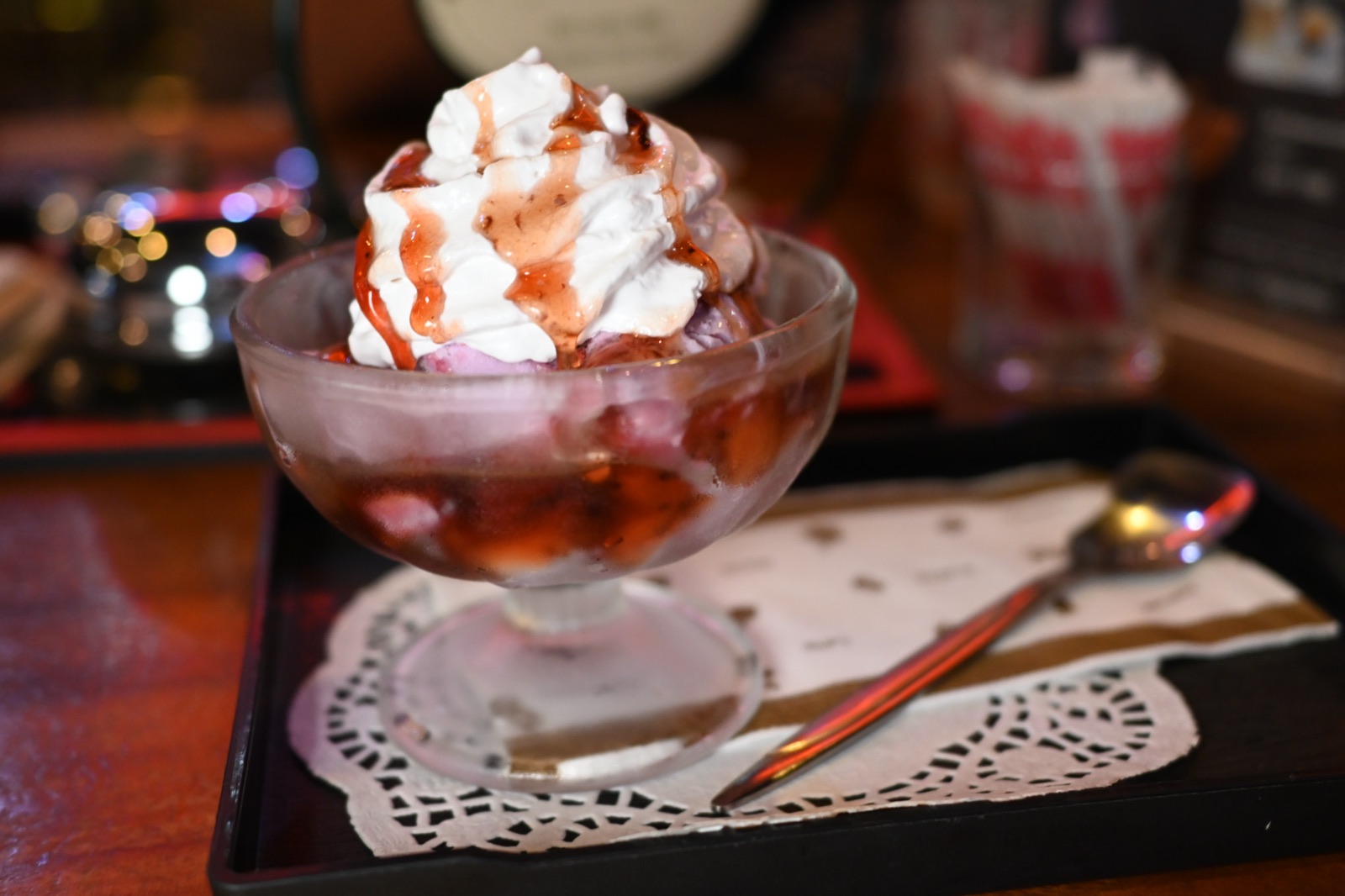
The same contrast logic used for burgers applies at the end. After a salty, fried meal, fruit flavor or a cold dessert can feel clearer than another dense baked component. After a simpler entrée, a richer dessert may have room to stand out. Texture matters too: a smooth sundae creates a different finish from a warm or chewy dessert.
Restaurant dessert photos can make individual portions appear easy to share or smaller than they are. Read the current description, ask the table how many people genuinely want dessert and decide whether sharing suits the group’s dietary and hygiene needs.
Use the pause test
Wait a few minutes after the entrée. The goal is not to follow a strict health rule; it is to distinguish wanting dessert from reacting to the menu prompt. If the table still wants it, choose the form that adds a new sensation rather than repeating the meal.
“Dessert?” is not a yes-or-no question. It can mean one shared taste, a full individual course or the decision that the shake already filled the role.
Three finish patterns
| Plan | During the meal | Finish | Works when |
|---|---|---|---|
| Shake-forward | Water plus a shake treated as food | No separate dessert, or only a shared taste | The cold drink is the main treat |
| Course-forward | Water, tea or another simpler drink | A chosen dessert after a pause | The table wants a clear final event |
| Light finish | Water and the preferred entrée | No automatic add-on | Conversation or schedule matters more |
Groups need one extra conversation
Shared dessert is efficient only when expectations match. Ask who wants more than a taste, whether serving utensils are available and whether allergies or dietary needs make sharing unsuitable. Children may experience a large sweet drink as both beverage and dessert, so adults should check current nutrition information and make choices appropriate for their family rather than relying on visual size alone.
For celebrations, verify any restaurant policy about outside cakes, storage, plates or fees with the exact location. Do not assume a chainwide rule based on a previous visit.
Takeout and leftovers
Frozen and whipped desserts have short quality windows. Delivery time, warm food in the same bag and household delays all accelerate melting. If dessert needs freezing or refrigeration, move it promptly and follow current food-safety guidance. A partially melted frozen dessert should not be repeatedly refrozen simply for convenience.
- Put water on the table before choosing a paid drink.
- Count a shake as part of the meal, not invisible liquid.
- Choose a dessert that contrasts with the entrée.
- Pause before adding a final course.
- Verify current ingredients and allergen information officially.
A deliberate finish can still be playful. The method simply makes room for the thing the table values most. When a shake is the reason for the visit, let it be the event. When the burger is the star, give it enough space. When nobody wants another course, ending the meal is also a complete choice.