Restaurant burger menus invite accumulation: another cheese, a fried topping, two sauces and a taller bun. That can sound generous while producing a meal that is slippery, muddy or tiring after a few bites. A more reliable method begins with the patty, identifies its strongest quality, and adds contrast only where it helps.
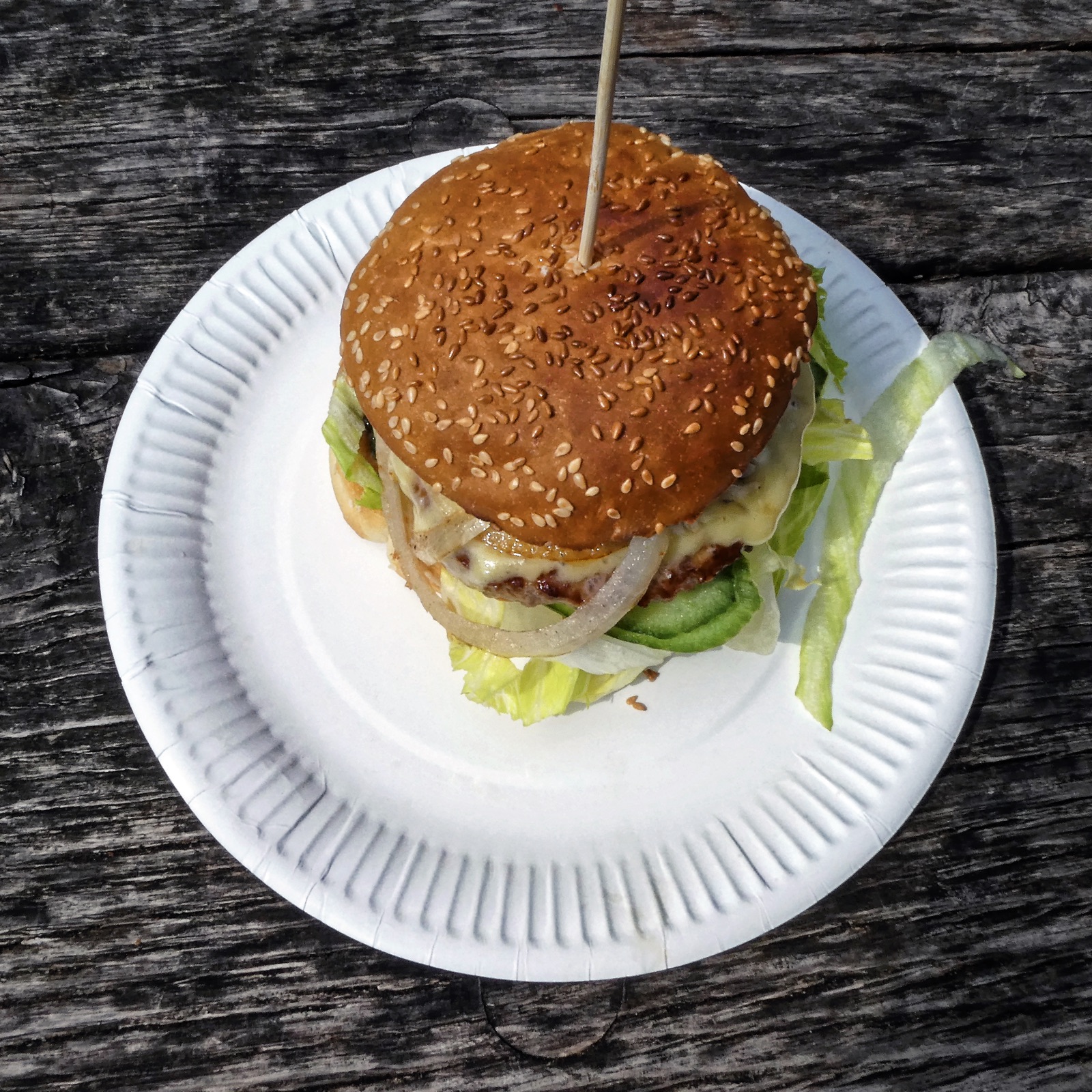
1. Decide what the center should taste like
Start with the patty or plant-based center because it sets the weight of the meal. A beef patty usually brings browned, savory flavors and plenty of richness. A grilled chicken center is often leaner and benefits from moisture or a bright sauce. A breaded chicken center already contributes crunch and oil, so it may not need an additional fried topping. Plant-based patties vary widely; read the current description and treat their seasoning as part of the build.
Ask one question: should the center remain recognizable? If yes, limit competing smoky, sweet and spicy sauces. If the center is intentionally neutral, toppings can carry more of the identity. This decision prevents the common mistake of choosing every layer independently.
2. Give the cheese one assignment
Cheese can add melt, tang, smoke, salt or creaminess, but it rarely needs to add all five. Mild melting cheese binds the patty to the toppings and supports a bold sauce. A sharper cheese can become the defining flavor when the rest of the stack is restrained. Blue-style cheeses are assertive and usually benefit from fresh vegetables or a less aggressive sauce.
Doubling cheese increases salt and richness faster than it improves structure. If a burger already includes a creamy sauce, avocado or a rich fried topping, an extra cheese layer often repeats rather than complements. Choose it because it changes the direction of the burger, not because it is available.
3. Add moisture with control
Sauce is the fastest route to both flavor and structural failure. Thick sauces stay where they are placed; thinner sauces migrate into the bun. Two sauces can work when they have different roles—perhaps one hot and one cooling—but similar creamy sauces tend to blur together.
A useful custom-order phrase is “light sauce” or “sauce on the side.” It preserves the flavor option while letting you control moisture bite by bite.
For takeout, sauce on the side has another advantage: it delays contact with the bun until the meal is ready. That matters more as travel time grows. At a table, a fully dressed burger has less time to soften, so the same build may perform differently.
4. Use vegetables as engineering
Vegetables are not merely the virtuous part of the sandwich. Lettuce adds friction and cool crunch. Pickles add acid that cuts through fat. Raw onion provides sharpness and snap, while cooked onion contributes sweetness and softness. Tomato adds freshness and juice but can also make a tall stack slide.
If the burger already has two soft toppings, choose a crisp vegetable. If it is dry or lean, tomato may be useful. When the stack is tall, removing one slippery layer often improves the actual eating experience more than changing the bun.
5. Match the bun to the load
A soft bun suits a simple, compact burger because it compresses around the patty. A sturdier roll tolerates more sauce and heavier toppings but can dominate a thinner center. The bun should contain the build without requiring the diner to fight it. If the menu offers a lettuce wrap or another bread alternative, remember that the experience and structural needs change; fillings may need less sauce and a fork may be practical.
The five-bite check
Before ordering, imagine the first five bites rather than the menu photo. Will the flavor remain interesting? Can you hold the burger without squeezing out the center? Is there acidity or freshness to reset the palate? Does every premium addition remain detectable? If the answer to one of those questions is no, remove a layer before adding another.
- One clear center: beef, chicken, plant-based or another current option.
- One main cheese function: melt, tang, smoke or creaminess.
- One primary sauce, with a second only when its role is different.
- At least one source of contrast: acid, crunch, freshness or gentle heat.
- A bun and travel plan capable of supporting the chosen moisture.
What to do next
Once the burger has a clear direction, choose a side that supplies what the burger lacks. A rich, smoky burger might benefit from a simple salad or pickled element. A leaner, straightforward burger may leave room for onion rings. The goal is not nutritional perfection or a universal formula; it is a meal whose parts stay distinct from the first bite to the last.