The usual side question—“What sounds best?”—is valid, but it is not the only useful one. A side can echo the entrée, contrast with it, create something to share or solve a takeout problem. Decide which of those roles matters and the choice becomes much clearer.
First, read the entrée
A heavily sauced cheeseburger already delivers richness, salt, bread and softness. Pairing it with the richest fried side creates intensity but little variation. A simple grilled sandwich or a smaller entrée may leave more room for rings or loaded fries. There is no moral ranking here. The point is to avoid discovering halfway through the meal that every bite feels the same.
Look for what the entrée lacks. If it needs crispness, fries or rings can supply it. If it needs freshness, a salad may make the meal easier to finish. If it already has a fried center, a second breaded component is more repetition than contrast.
Fries: flexible, familiar, time-sensitive
Fries are the versatile middle route. Their relatively simple flavor supports a bold burger, and individual pieces make portioning or sharing easy. They also offer a natural pause between bites. Thin fries emphasize crispness and cool quickly; thicker fries hold a soft center longer but can feel heavier.
Their weakness is the clock. Steam trapped in a closed takeout container softens the surface, while a long wait cools the interior. For pickup, minimize idle time and open the container briefly when safe and practical after arrival—not while driving. If a restaurant offers sauce separately, keeping it separate protects texture.
Onion rings: maximum contrast, maximum commitment
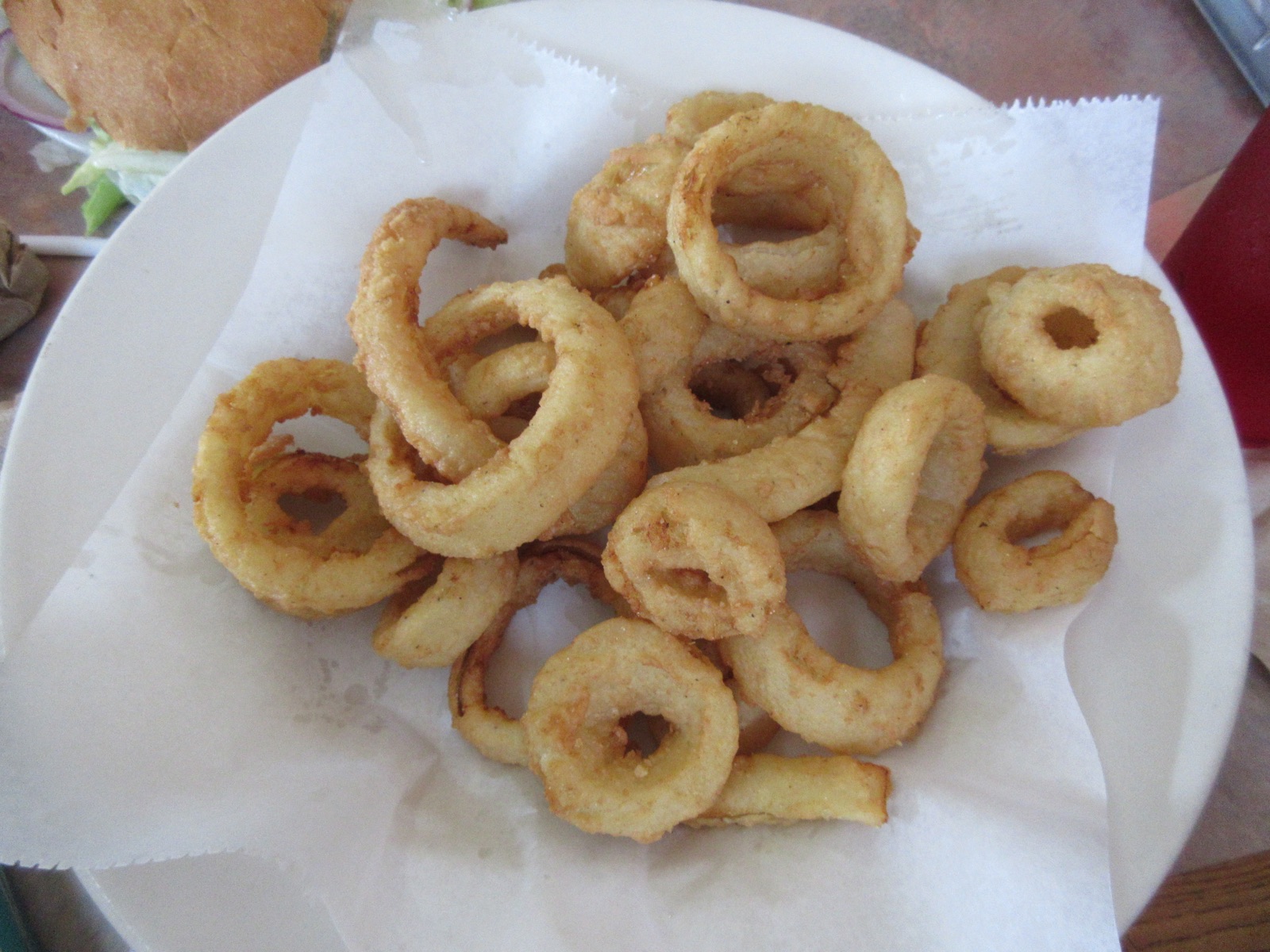
Good onion rings create a dramatic change from a soft burger: brittle coating, sweet onion and a large, shareable shape. They work especially well when the burger itself is restrained. Because the coating brings its own seasoning and oil, rings can compete with an elaborate entrée.
They are also less forgiving in transit. The enclosed heat that keeps them warm produces steam, and the coating can detach as the onion softens. Treat rings as a short-window choice or a dine-in choice when crunch matters. For a group, one shared order may provide the experience without giving every person an equally rich plate.
Salad: freshness with variables
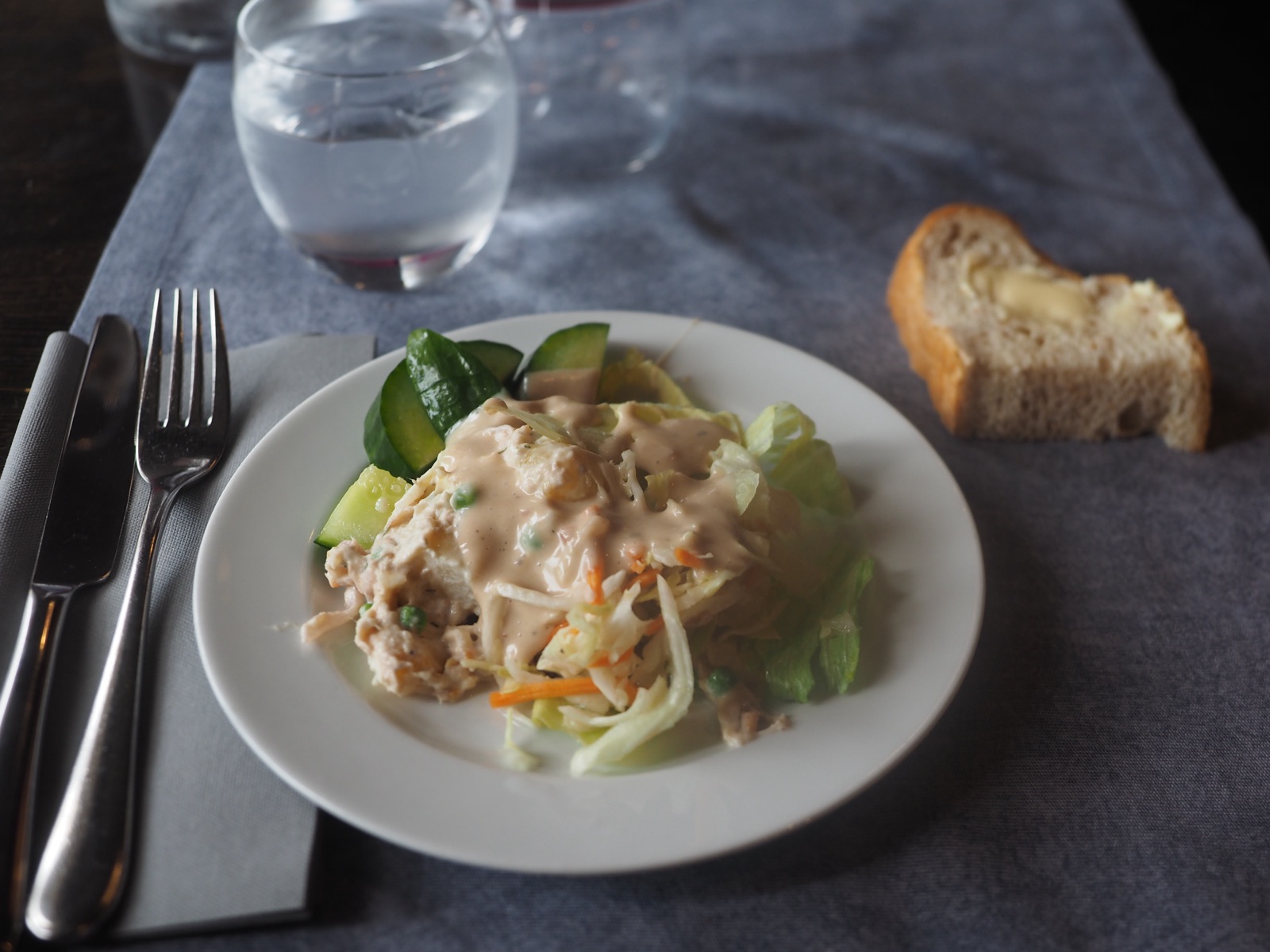
A side salad changes temperature, acidity and texture. That can be exactly what a rich burger needs. Yet “salad” does not automatically mean light or suitable for every dietary need. Cheese, croutons, nuts, bacon, sweet toppings and generous dressing all change the ingredient and nutrition profile.
Ask for dressing on the side if you want control or expect travel. Add a small amount, toss, then add more only if needed. For allergy concerns, verify every component—including dressing and garnishes—through current official information and restaurant staff. Removing one visible topping does not resolve cross-contact.
A practical comparison
| Side | Best contribution | Best setting | Main tradeoff |
|---|---|---|---|
| Fries | Familiar salt and flexible sharing | Dine-in or prompt pickup | Crispness fades with steam and time |
| Onion rings | Strong crunch and sweetness | Dine-in, short travel, shared plate | Rich coating and fragile travel texture |
| Simple salad | Freshness, acidity and temperature contrast | Dine-in or dressing kept separate | Ingredients and dressing vary widely |
Sharing without over-ordering
A table that wants variety does not need one full side of every type per person. Start by asking which item people genuinely want to taste and which is intended to complete an individual meal. Share the novelty; keep personal essentials personal. Large groups should also confirm whether refills, substitutions or upgraded sides apply to the current menu and order type rather than assuming a policy is universal.
- Match the side to what the entrée lacks.
- Account for travel time before choosing a crisp fried side.
- Keep sauces or dressing separate when moisture control matters.
- Use a shared side for variety instead of duplicating every rich option.
- Check official allergen and nutrition material for current components.
The simplest final test is this: after three bites of the entrée, what would you want next—more richness, a crisp salty pause or something cool and fresh? That answer is usually more useful than choosing the side in isolation.