Dine-in, carryout and delivery are not just three ways to receive identical food. Time, steam, handling and communication change the result. The best option depends on whether the priority is peak texture, schedule control, low effort or a comfortable setting for a group.
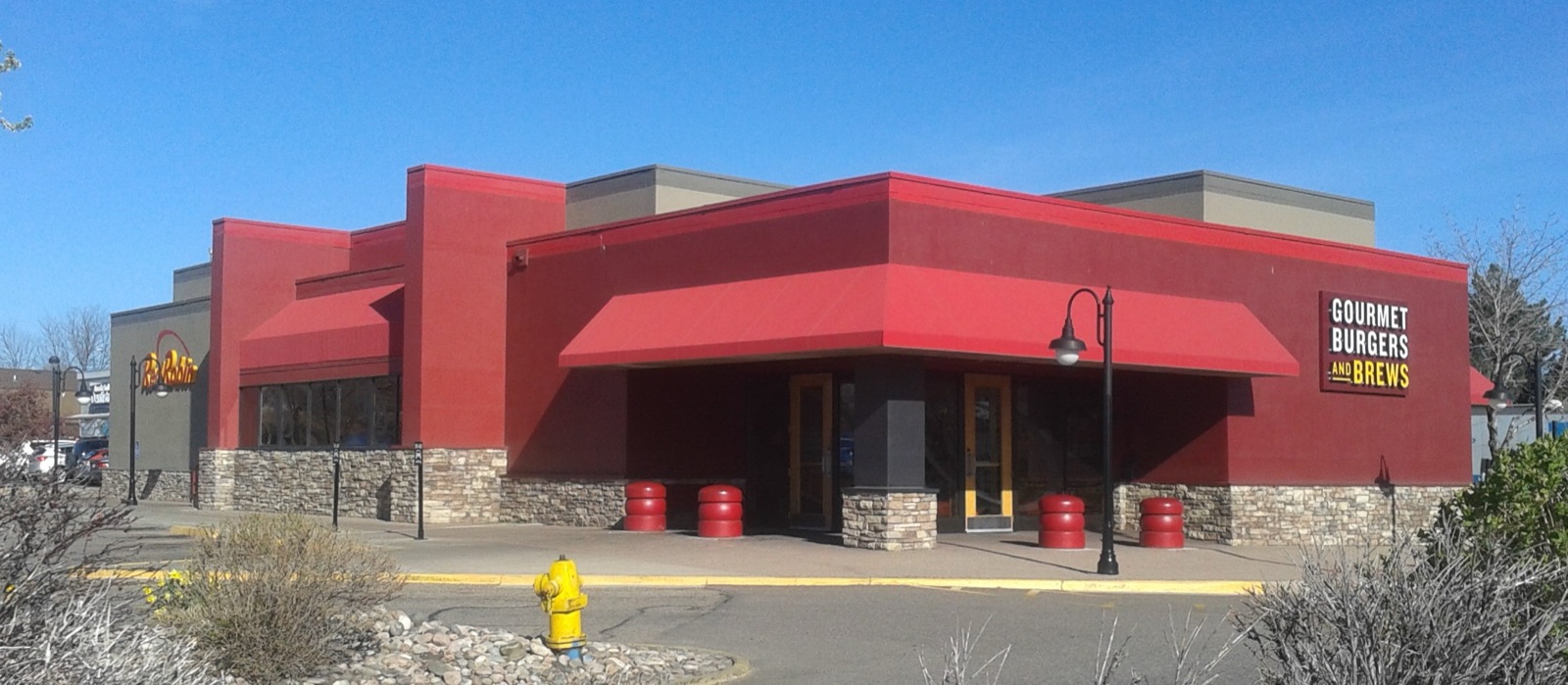
Dine-in protects texture and communication
At a table, hot food travels only from kitchen to dining room. Fried sides spend less time in a closed container, buns absorb less trapped steam and cold toppings stay distinct longer. If a modifier is missing or a question arises, staff are nearby. That makes dine-in the strongest format for a complicated order or a first visit to an unfamiliar menu.
The tradeoffs are time and environment. A wait for seating, a busy room or a group that needs to leave quickly can make the experience less convenient. Location-specific policies—reservations, seating, split checks, service charges and closing times—should be confirmed directly. Published hours do not guarantee immediate seating or a full kitchen up to the final minute.
Carryout gives control over the final mile
Pickup lets the customer decide when to leave, which route to take and how soon the food is served at home. That control can outperform delivery when the restaurant is nearby. It also provides a chance to compare the package count with the confirmation before leaving.
However, the pickup person becomes the quality handoff. They must choose the correct location, monitor the estimated time, park or use the designated pickup process, and keep the bag stable. A five-minute delay at home can matter as much as the drive. Set plates, drinks and condiments before the food arrives so the meal does not wait in its packaging.
Delivery optimizes effort, not certainty
Delivery is useful when travel is difficult, a group cannot leave or convenience is more important than peak crispness. The customer avoids the drive, but timing and handling involve an additional handoff. Estimated arrival can change, and the route may include other stops depending on the service.
Compare the complete checkout view rather than menu prices alone. Item pricing, delivery fees, service fees, tax, optional extras and tips may all affect the total. Availability and policies vary by platform and location. We do not assume one ordering channel is always cheaper or faster.
Order for the container
Closed packaging holds heat and moisture together. That is good for warmth and difficult for crisp coatings. The longer the trip, the more valuable it becomes to simplify the stack and separate wet components when the menu allows it.
- Ask for sauce on the side when you want control over bun moisture.
- Favor compact builds over tall stacks for a long or uneven ride.
- Keep cold and hot components separate if the restaurant packages them that way; do not recombine early.
- Choose sturdy sides when crispness is not likely to survive the travel window.
- Never compromise food safety to preserve texture; follow current public-health guidance for holding and leftovers.
Compare the real tradeoffs
| Format | Strongest advantage | Primary risk | Best planning move |
|---|---|---|---|
| Dine-in | Peak texture and easy questions | Wait, noise or schedule uncertainty | Confirm location details and allow time |
| Carryout | Control over route and handoff | Customer delay and package mistakes | Check count before leaving; serve promptly |
| Delivery | Least travel effort for the group | Variable time, fees and extra handoff | Choose travel-tolerant food and review total |
The ten-minute threshold
Do not treat ten minutes as a scientific boundary; treat it as a prompt. If food will remain enclosed for more than a short trip, ask what becomes vulnerable. Fries may soften, ice can dilute a drink and a dressed salad can wilt. The answer may be to change the side, request separation, eat at the restaurant or simply accept that convenience is the priority.
For group takeout, use names on the order list and count containers, sides and drinks at pickup. For a solo meal, prioritize serving readiness at home. For delivery, keep the phone accessible and provide accurate delivery instructions through the actual ordering channel.
Food safety outranks texture
Refrigerate perishable leftovers promptly and follow current USDA guidance rather than using smell or appearance as the only test. Do not leave food in a vehicle, on a counter or in a delivery bag for extended periods to preserve warmth. Reheating methods and safe internal temperatures depend on the food; consult the official guidance linked on our Official links page.